Why Pressure Washing is Essential Before Sealing Concrete: A Comprehensive Guide
Discover the crucial benefits of pressure washing your concrete surface before sealing it, ensuring durability, aesthetics, and long-term protection.
Why Pressure Washing is Essential Before Sealing Concrete
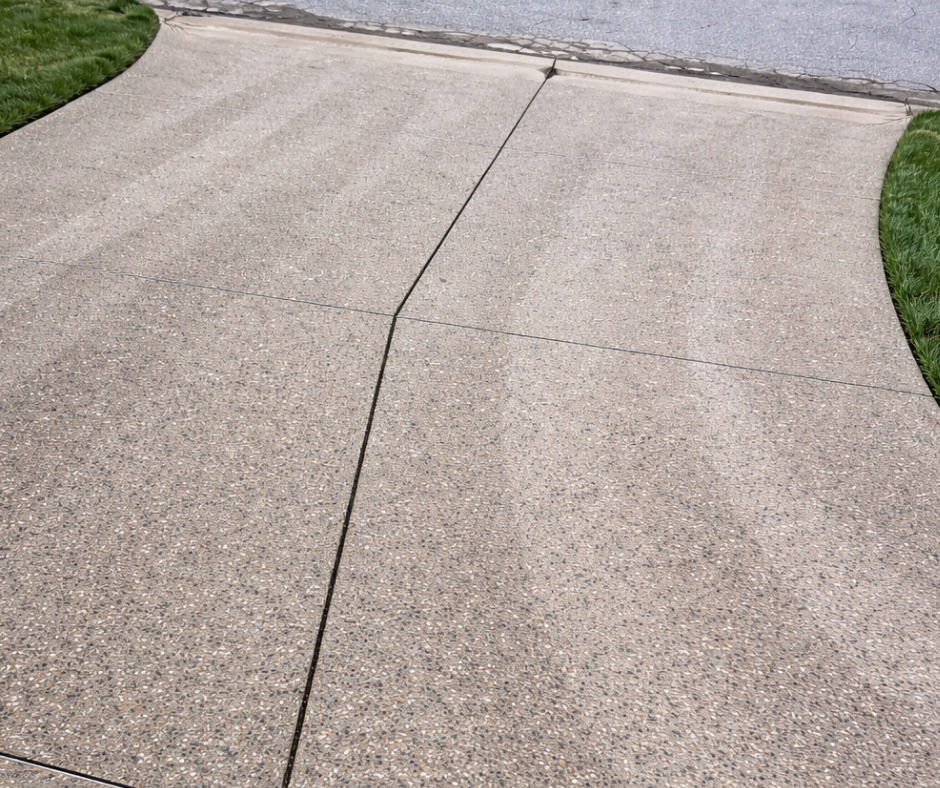
Concrete sealing is an essential process for protecting and enhancing the durability of concrete surfaces, but it’s only effective when done on a clean surface. Pressure washing is a critical preparatory step that ensures the surface is free of contaminants, allowing the sealant to adhere properly and deliver maximum performance. Click Here to get a professional quote.
What Is Concrete Sealing?
Concrete sealing involves applying a protective layer to concrete surfaces to prevent damage caused by water, stains, and environmental factors. Sealants provide a barrier that reduces the porosity of concrete, making it less vulnerable to cracking, discoloration, and wear.
Benefits of Sealing Concrete:
- Enhanced Durability: Sealing extends the lifespan of your concrete.
- Improved Aesthetics: It restores and maintains the concrete’s appearance.
- Water Resistance: Prevents water infiltration, reducing freeze-thaw damage.
- Stain Protection: Guards against oil, grease, and other staining agents.
How Does Pressure Washing Prepare Concrete for Sealing?
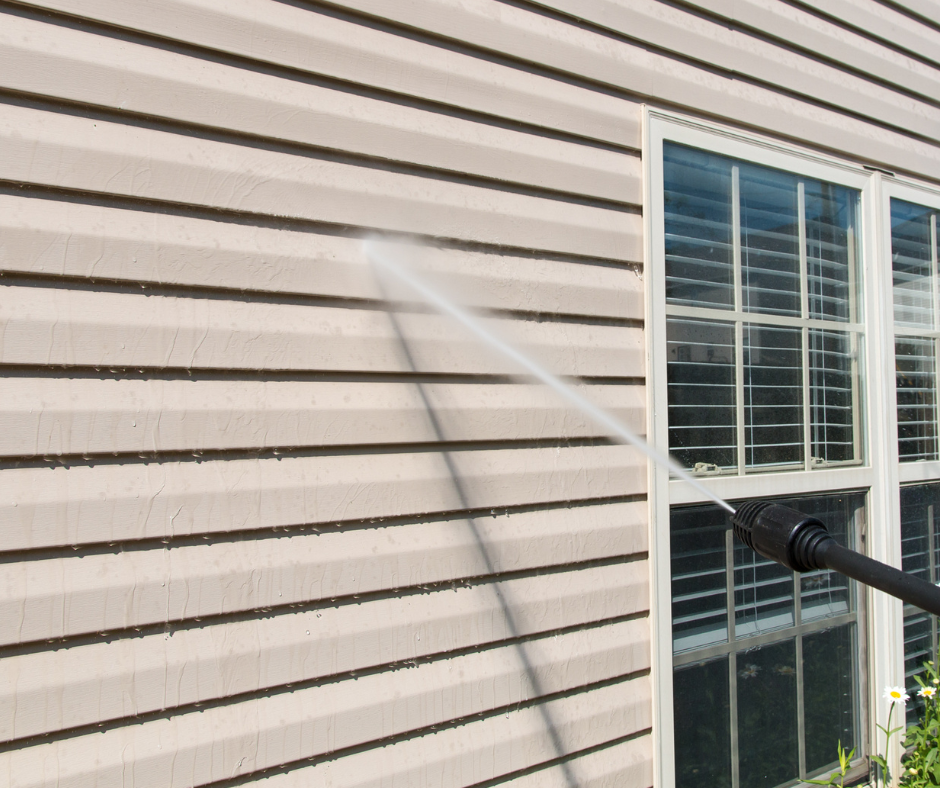
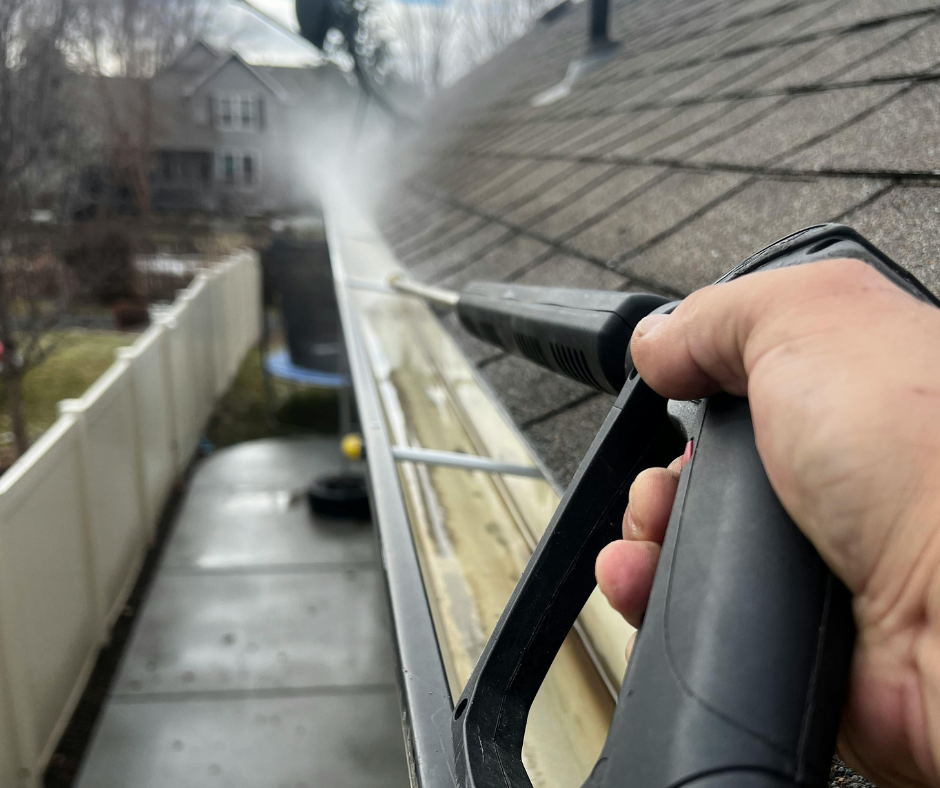
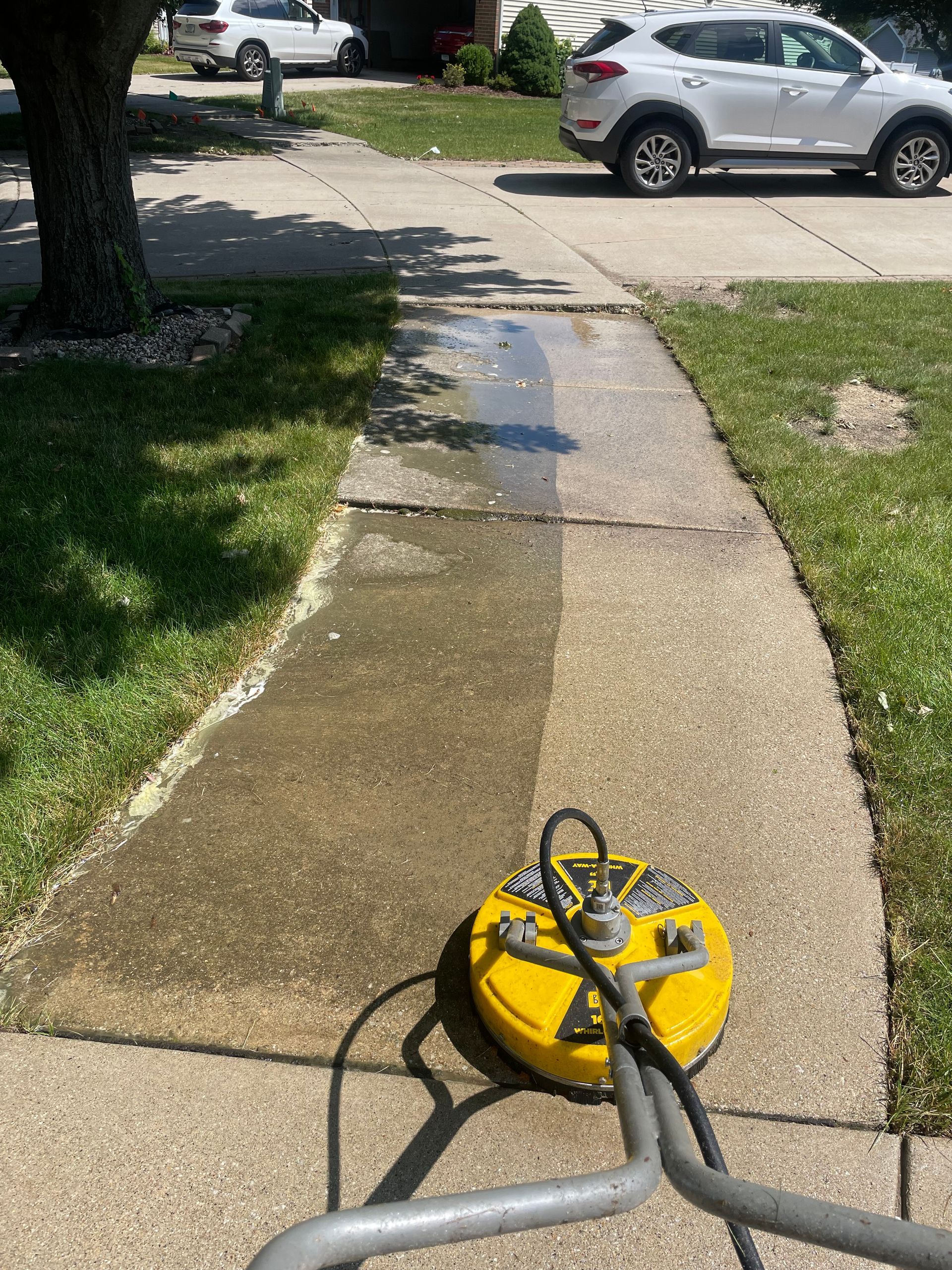
Pressure washing involves using high-pressure water jets to clean surfaces thoroughly. For concrete sealing, this process is indispensable for removing contaminants that could interfere with the sealant's performance.
Key Steps in Pressure Washing Preparation:
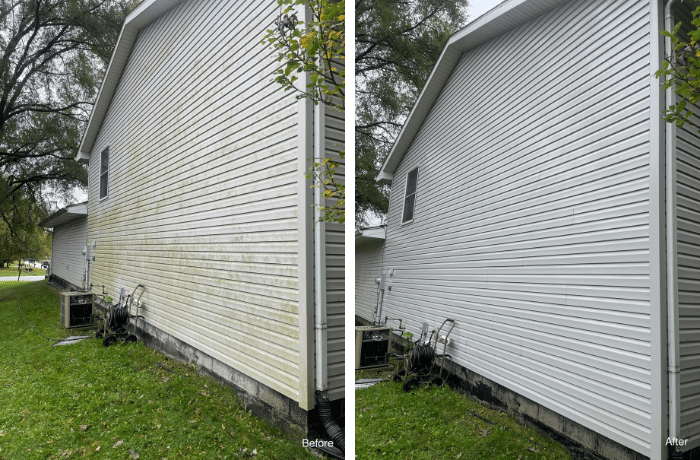
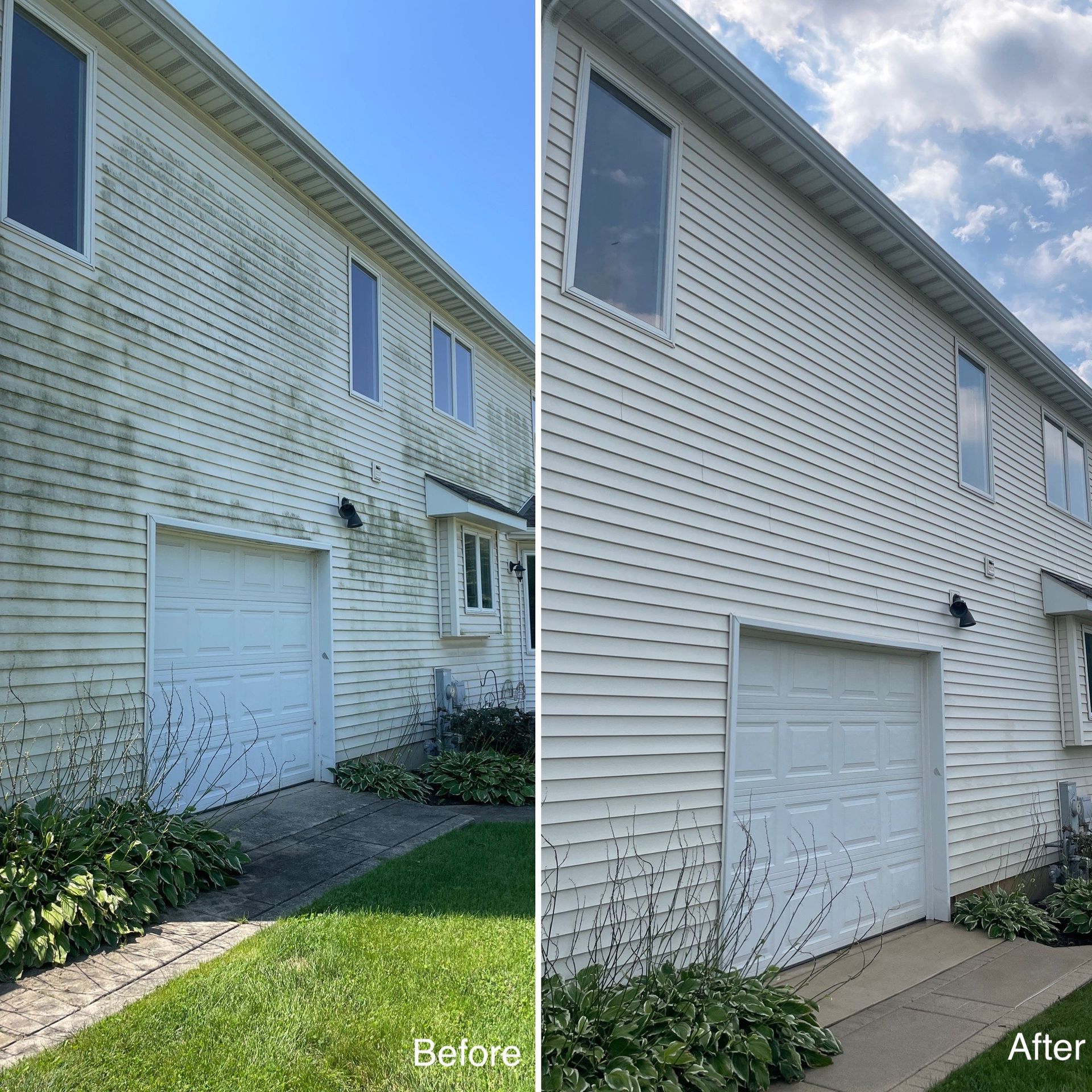
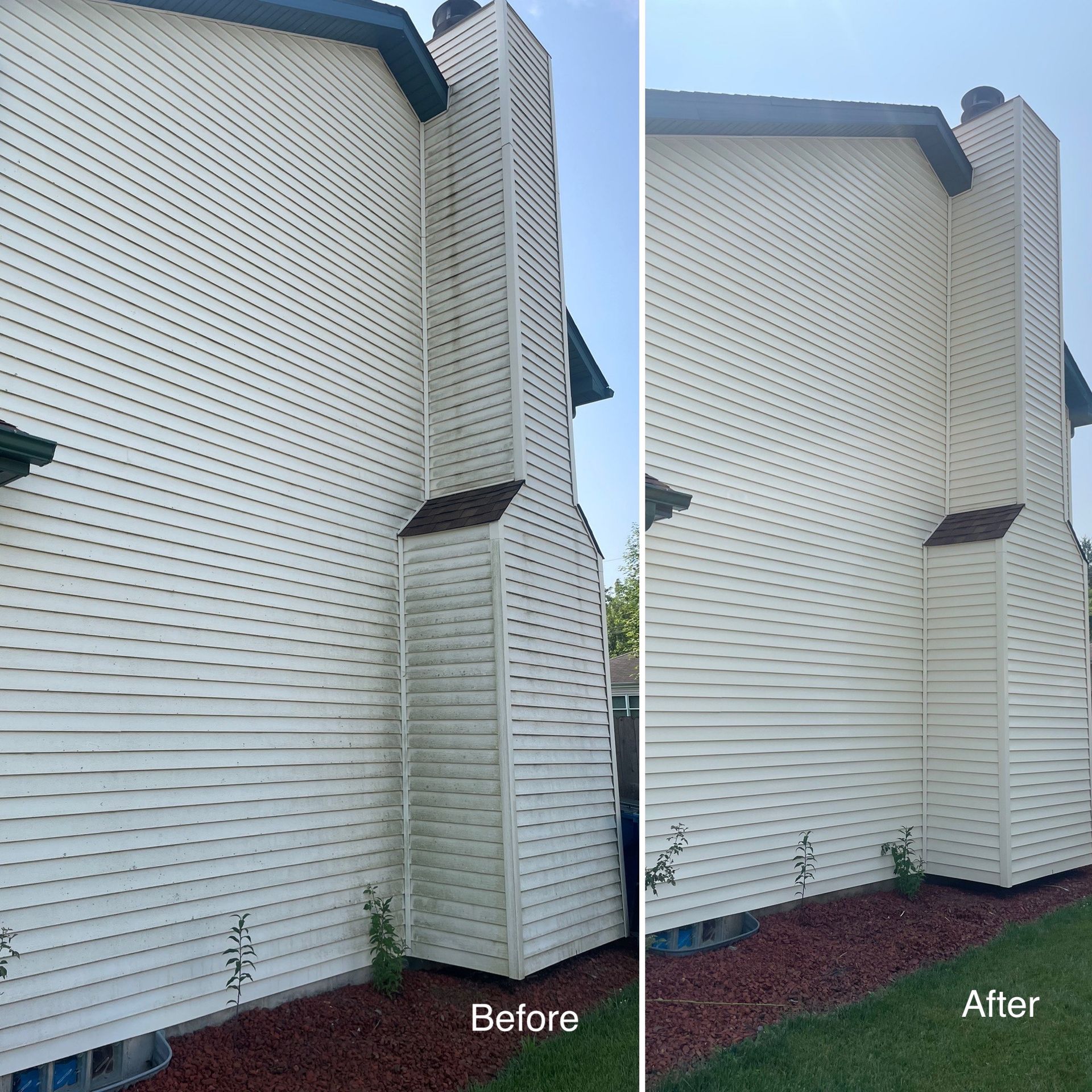
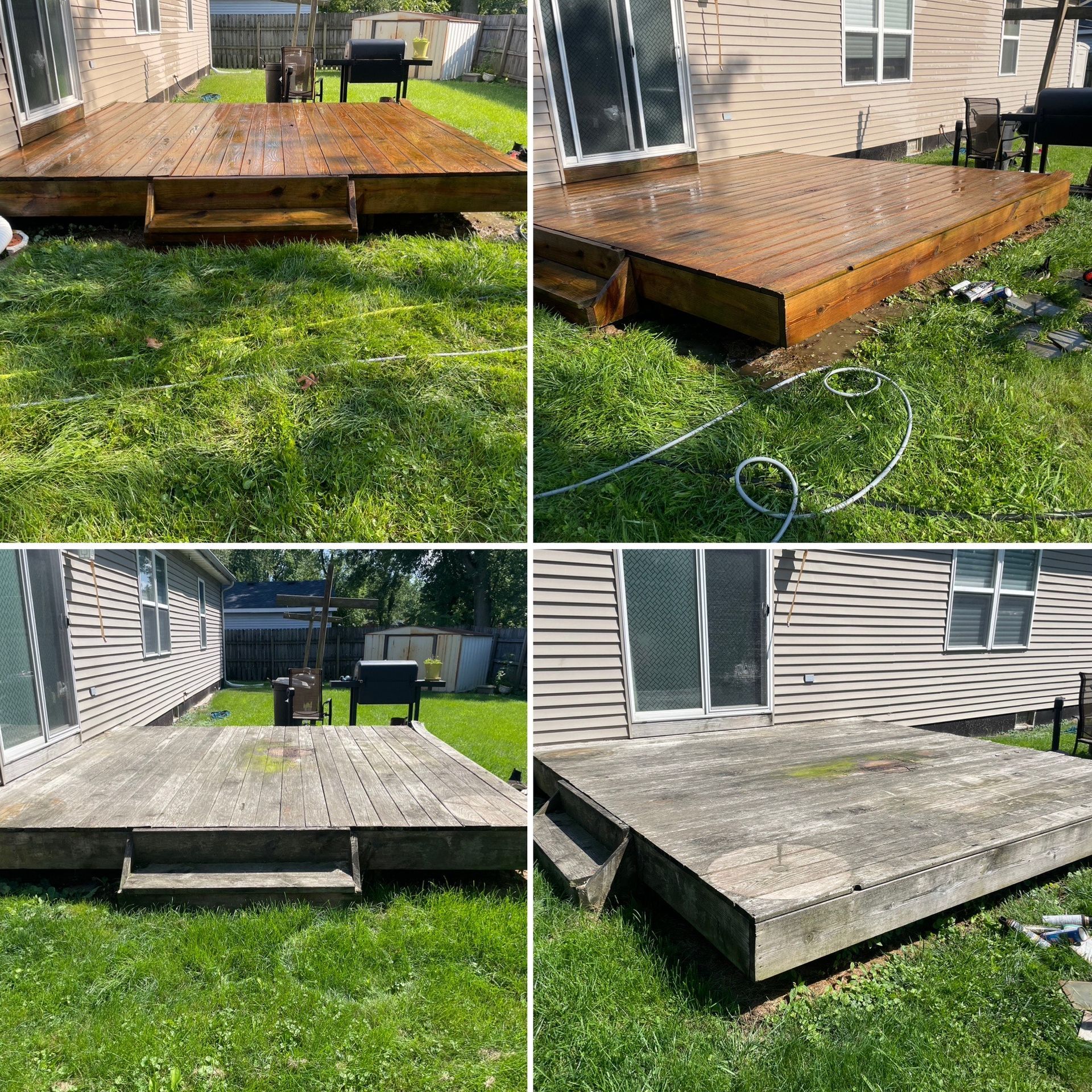
- Surface Cleaning: Removes debris, mold, mildew, and stains.
- Opening Pores: Enhances the surface texture for better sealant penetration.
- Improving Bonding: Provides a clean base for the sealant to adhere.
Removing Surface Contaminants
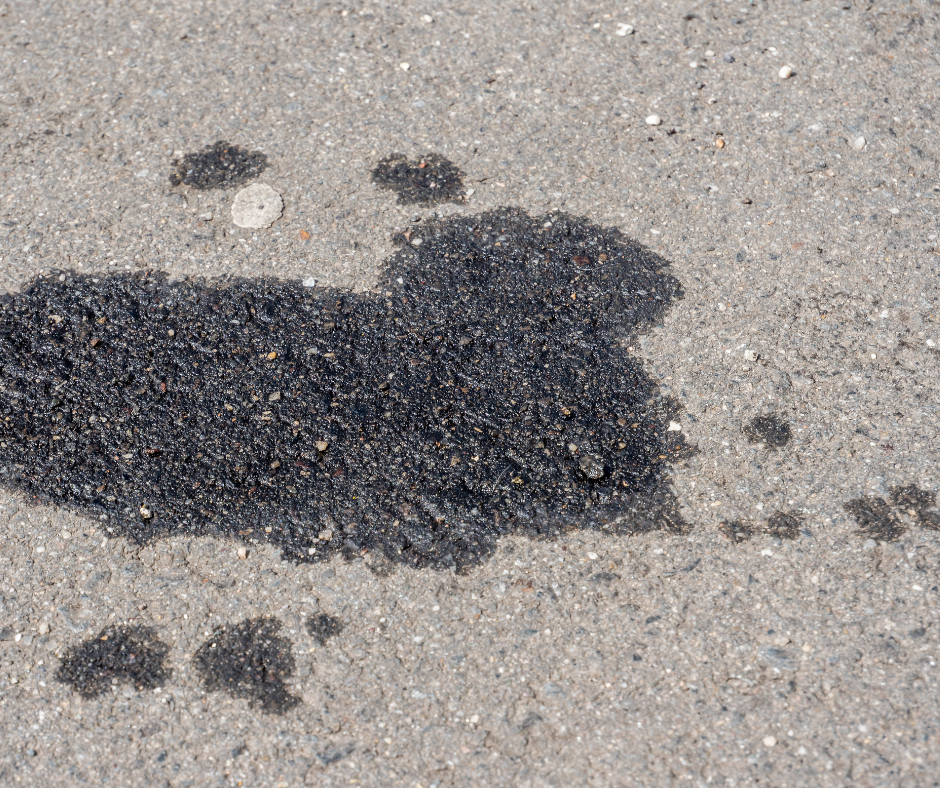
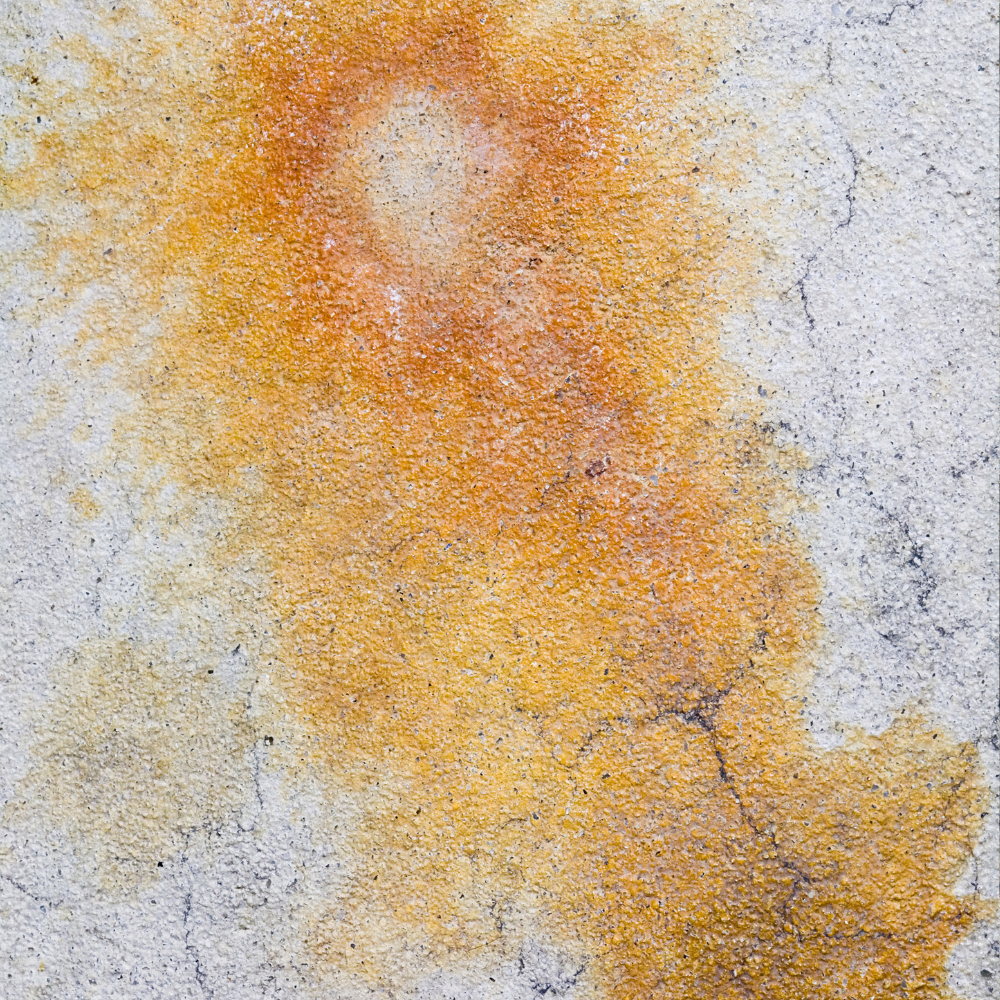
Concrete surfaces accumulate dirt, oil, grease, and biological growth like mold or algae. Pressure washing eradicates these elements, ensuring the surface is ready to bond with the sealant. Without cleaning, contaminants could trap moisture or create a weak barrier, leading to premature sealant failure.
Enhancing Sealant Adhesion
A clean concrete surface ensures that the sealant bonds strongly and evenly. Pressure washing clears out fine dust particles and residues that manual cleaning often misses. This step is crucial for ensuring a smooth, durable seal.
Pressure washing is a vital preparatory step for sealing concrete. It removes contaminants, enhances adhesion, prevents damage, and improves aesthetics. Whether you choose to do it yourself or hire a professional, this step ensures your concrete sealant delivers maximum protection and longevity. Don’t skip it—your concrete’s lifespan and appearance depend on it! Click here for a professional quote.
FAQs
Why is pressure washing necessary before sealing concrete?
Pressure washing removes contaminants, ensures proper sealant adhesion, and prevents long-term damage.
How soon can I seal concrete after pressure washing?
Wait at least 24–48 hours to allow the concrete to dry completely before applying the sealant.
What happens if I skip pressure washing?
Skipping this step can lead to poor sealant adhesion, trapped contaminants, and reduced durability.