Understanding Paver Sealing Cost: Factors, Benefits, and Budget Tips
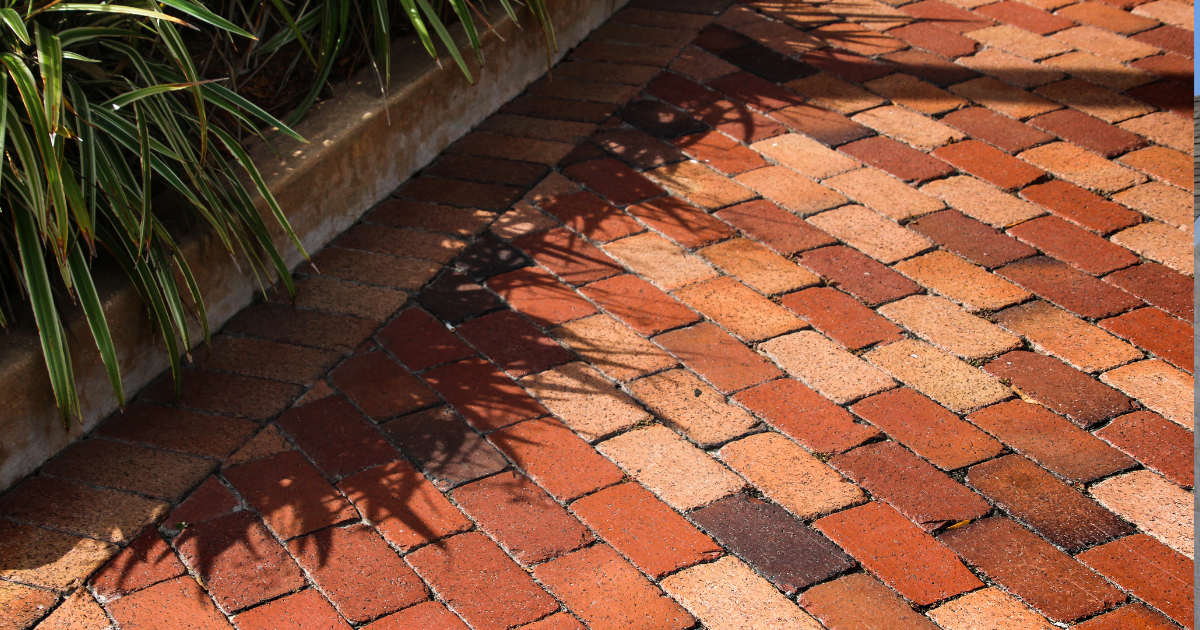
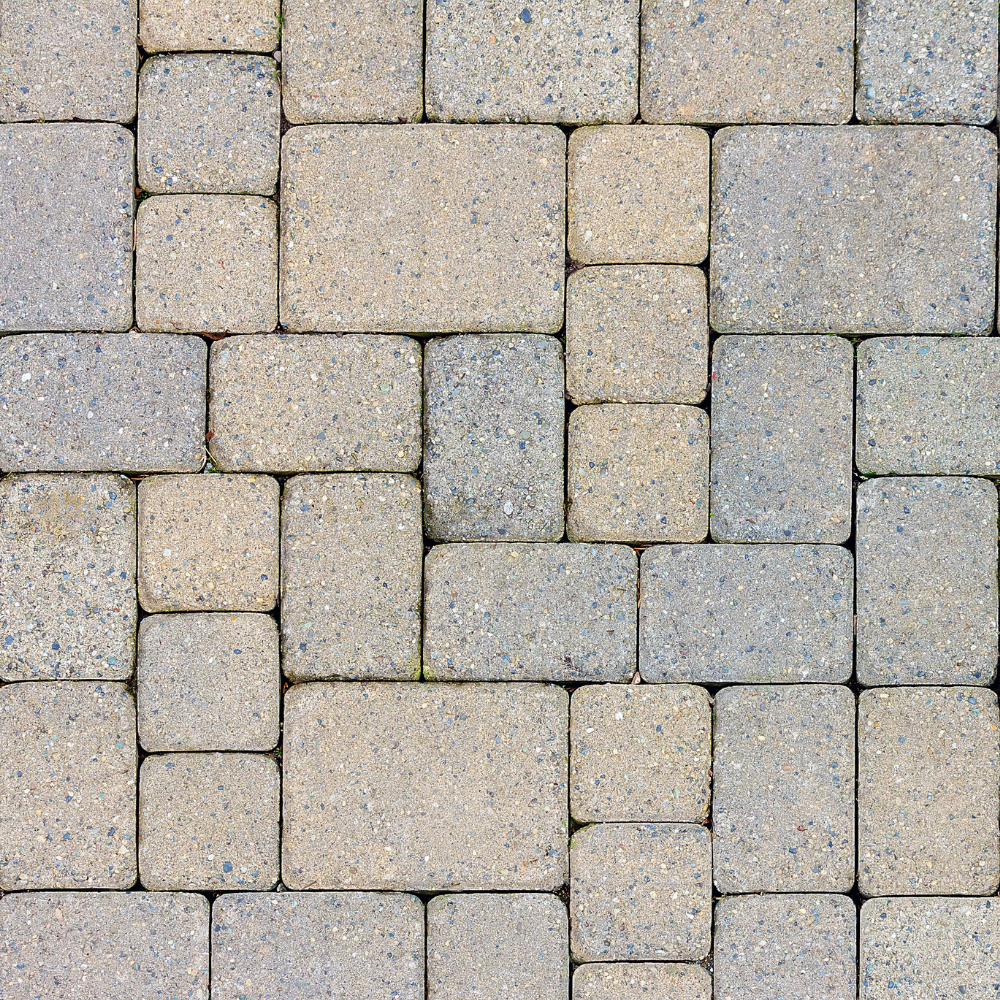
Paver sealing is an essential aspect of maintaining the durability and appearance of your outdoor spaces. Sealing your pavers can protect them from the elements, enhance their color, and prevent weed growth and stains. This guide will help you understand the costs associated with paver sealing, the factors influencing these costs, the benefits of sealing your pavers, and practical tips to stay within your budget. Request a professional paver sealing quote here.
Factors Influencing Paver Sealing Cost
Type of Pavers
- Different paver materials require different types of sealants, affecting the overall cost. Natural stone pavers may need a more specialized sealant compared to concrete pavers.
Size of the Area
- The larger the area to be sealed, the higher the cost due to the increased amount of sealant and labor required.
Condition of the Pavers
- Pavers in poor condition may need additional cleaning, repairs, or joint re-sanding before sealing, which can increase the cost.
Type of Sealant
- Various types of sealants, such as water-based, solvent-based, and acrylic sealants, have different price points and benefits, impacting the overall cost.
Labor Costs
- Labor costs vary based on location and job complexity. Hiring a professional may increase the cost, but it ensures the job is done correctly and efficiently.
Benefits of Paver Sealing
Protection from Elements
- Sealing pavers protects them from harsh weather conditions, preventing fading, cracking, and erosion.
Prevents Stains
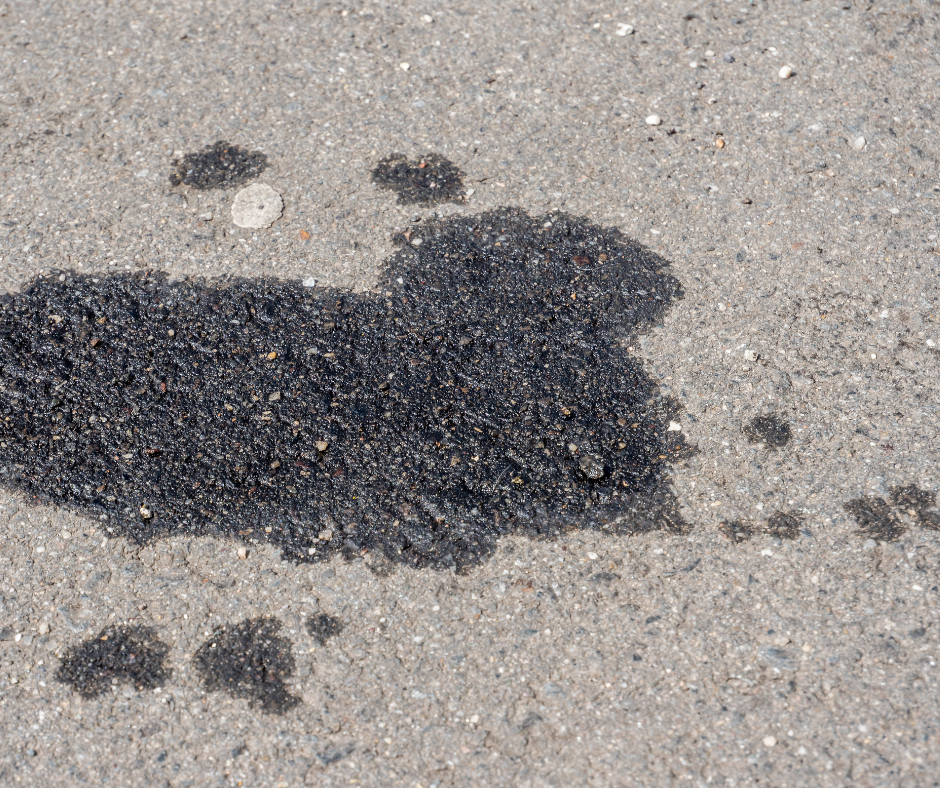
- A sealed surface is less likely to absorb stains from oil, grease, or other substances, making maintenance easier.
Enhances Appearance
- Sealing enhances the natural color and texture of the pavers, giving them a polished and attractive look.
Prevents Weed Growth
- Sealant helps prevent weed growth between pavers by stabilizing the joint sand, keeping your outdoor space looking neat.
Increases Durability
- Sealed pavers are more durable and can withstand heavy traffic and regular use without deteriorating quickly.
Average Costs of Paver Sealing
Small Areas (Patios and Walkways)
Cost Range: $1 - $2 per square foot
Total Cost: $200 - $500
Medium Areas (Driveways)
Cost Range: $1.50 - $2.50 per square foot
Total Cost: $600 - $1,200
Large Areas (Commercial Spaces)
Cost Range: $2 - $3 per square foot
Total Cost: $2,000 - $6,000
* These estimates vary based on factors such as the type of pavers, sealant used, and condition of the pavers.
DIY vs. Professional Paver Sealing
Pros and Cons of DIY Sealing
- Pros: Cost savings, control over the process, and flexibility in scheduling.
- Cons: Time-consuming, requires proper knowledge and tools, and the risk of improper application.
Benefits of Hiring Professionals
- Expertise and Experience: Professionals have the necessary skills and experience to apply the sealant correctly.
- Quality Materials: Access to high-quality, commercial-grade sealants that may not be available to the general public.
- Time Efficiency: Professionals can complete the job faster and more efficiently than a DIY approach.
Conclusion
Understanding the costs, benefits, and factors influencing paver sealing can help you make informed decisions about maintaining your outdoor spaces. Whether you choose to do it yourself or hire professionals, sealing your pavers is a worthwhile investment that enhances their appearance, durability, and functionality. By following the budget tips provided, you can ensure your pavers remain in top condition without breaking the bank.