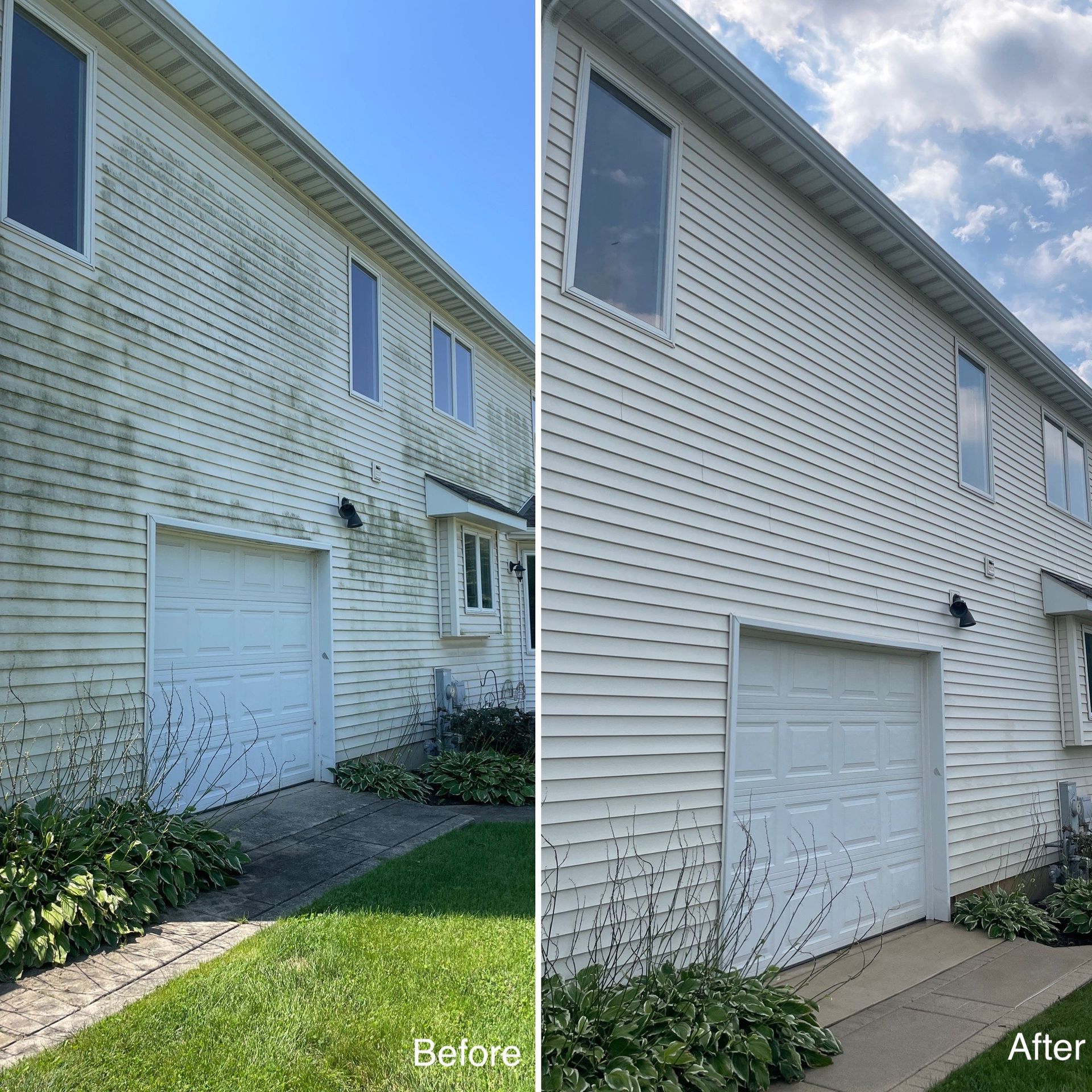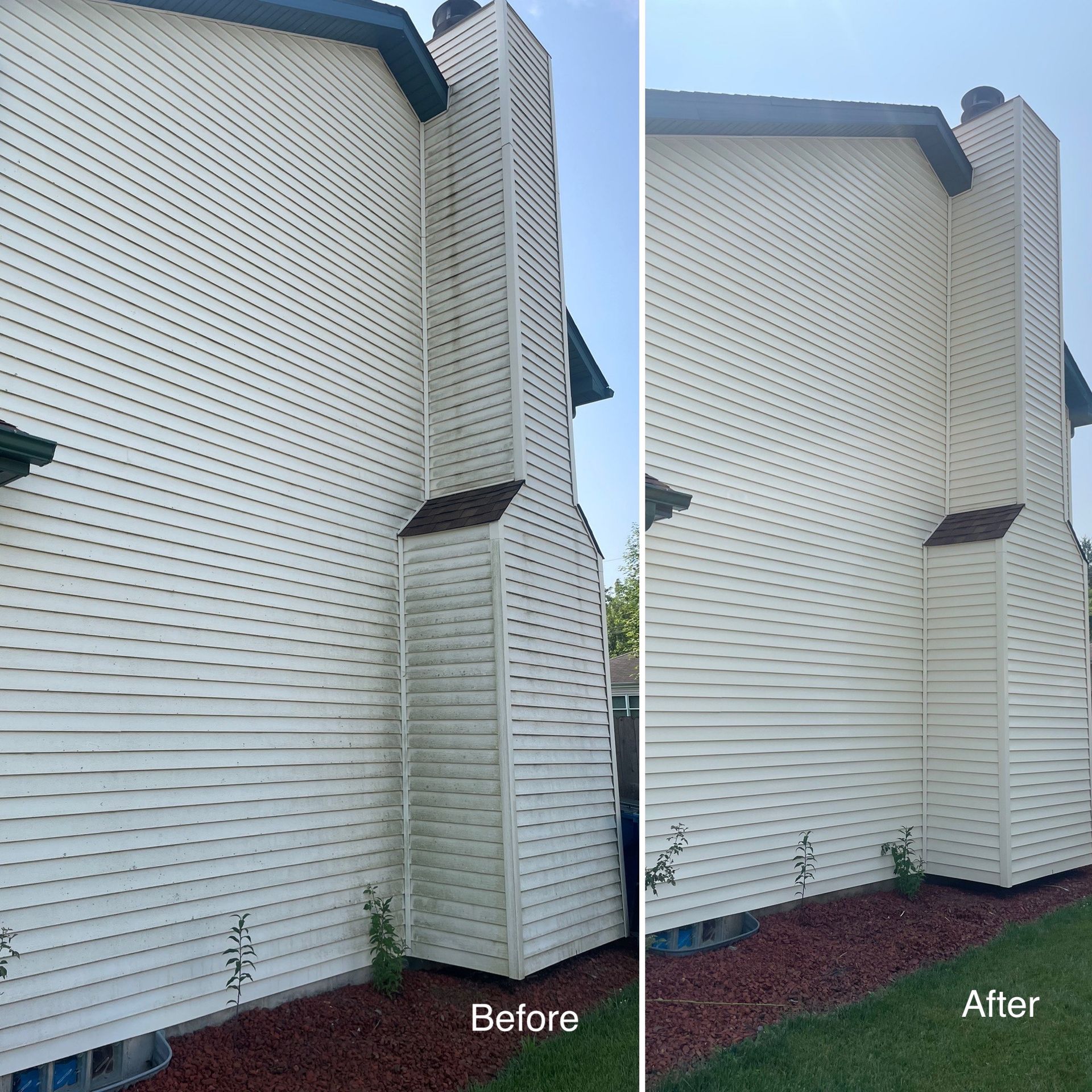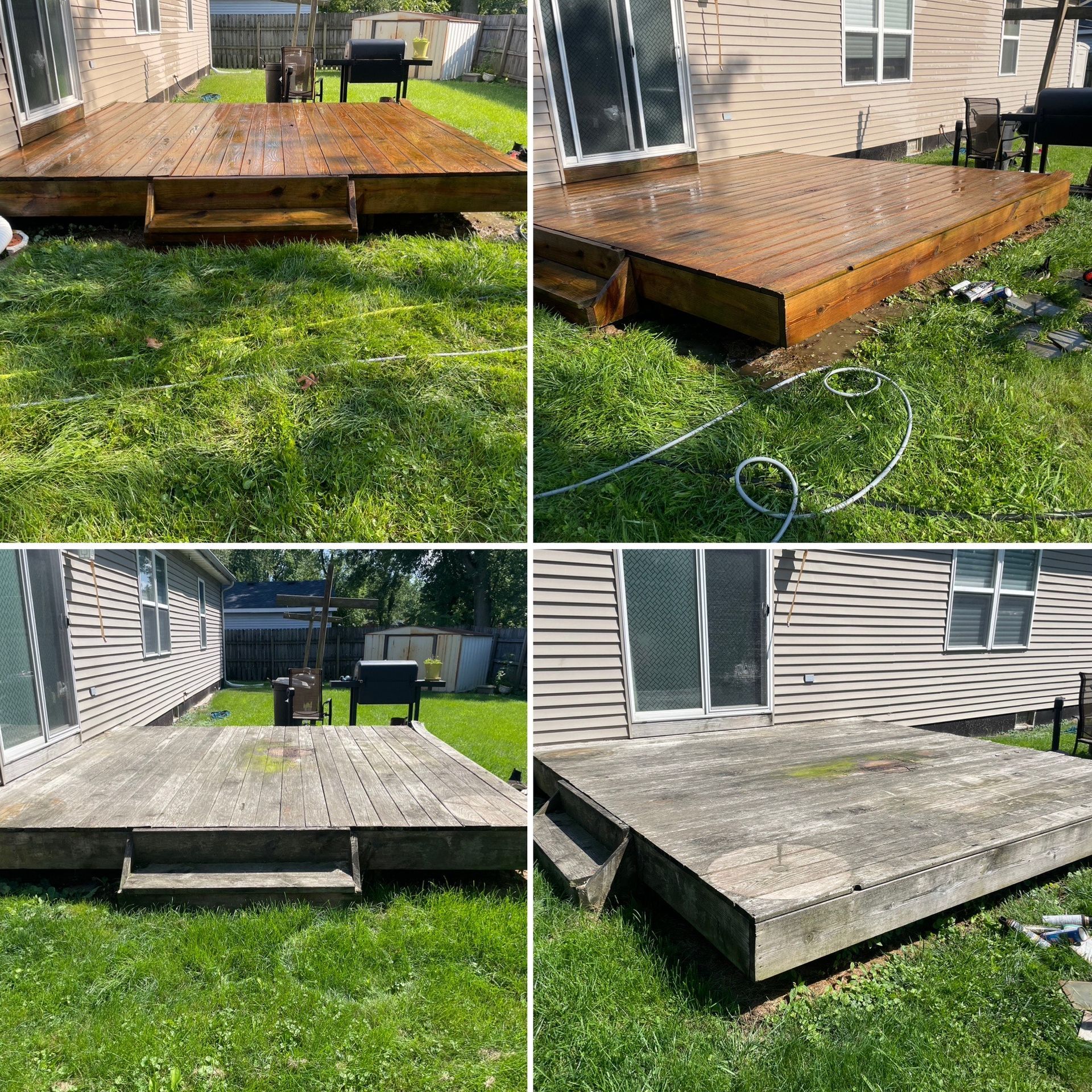
Spring Refresh: A Step-by-Step Guide to Cleaning Your Deck After Winter

After a long winter, your deck might look tired—grime, mildew, and weathered patches can make it an eyesore. A spring refresh is the perfect way to revive it, bringing back its beauty and preparing it for warm-weather enjoyment. Whether you’re hosting barbecues or just soaking up the sun, a clean deck sets the stage. This guide walks you through the process step-by-step, covering the tools you’ll need, effective techniques, and expert tips for tackling stubborn winter damage like mildew or faded wood. We’ll also explore when it’s smarter to hire a professional instead of going DIY. With the right approach, your deck will be ready for summer in no time, looking fresh and inviting.
- Why Spring Deck Cleaning Matters
Winter is tough on decks—snow piles up, ice melts into cracks, and rain soaks the surface, leaving behind mildew and wear. By spring, you might notice gray patches, slippery spots, or even loose boards. Cleaning your deck now isn’t just about looks; it prevents bigger problems like rot or splintering that could ruin your outdoor space. A well-maintained deck lasts longer and stays safe for kids, pets, or guests. Plus, it’s a mood-lifter—imagine stepping onto a spotless deck for that first spring coffee. Start by checking for damage: warped wood, peeling sealant, or rusty nails. For most homeowners, a DIY cleanup handles the basics, but if you spot serious structural issues, a pro might be the better call. Either way, a spring refresh ensures your deck is ready for months of outdoor fun.
- Tools You’ll Need for Post-Winter Deck Cleaning
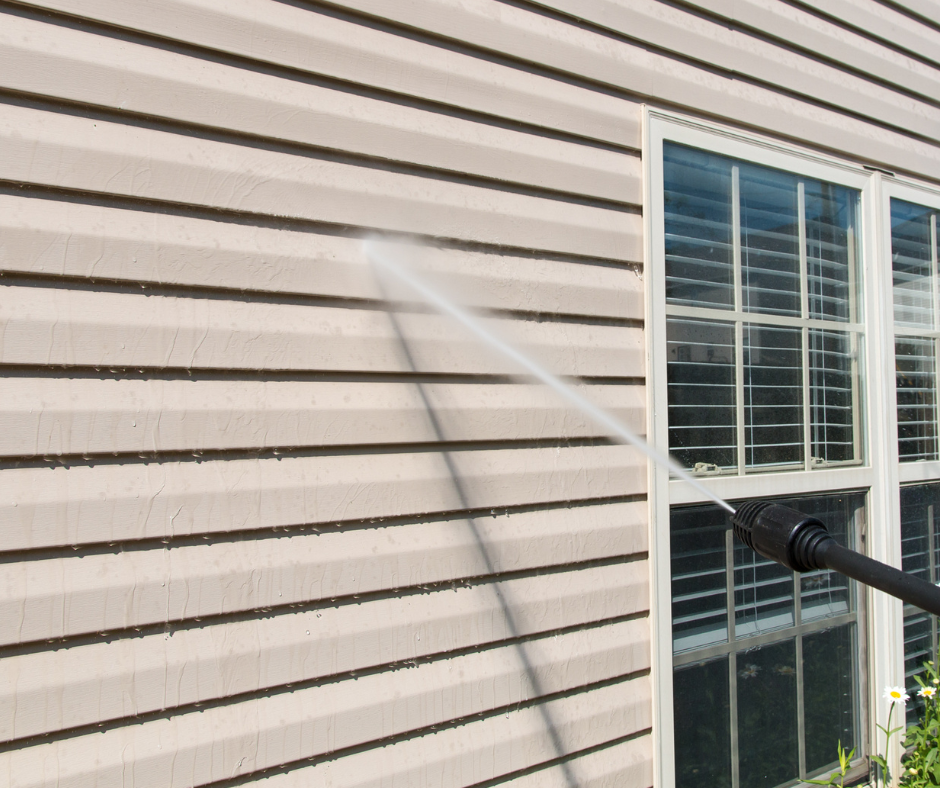
To tackle your deck’s post-winter mess, gather the right tools. A stiff-bristle broom is a must for sweeping away leaves, dirt, and twigs that piled up over the months. For deeper cleaning, a pressure washer blasts off grime and mildew fast—just keep the pressure low to avoid damage. If you prefer hands-on work, a sturdy scrub brush and bucket do the trick. You’ll also need a deck cleaner—pick one made for your deck type, like wood or composite, with eco-friendly options like oxygen bleach for mildew. A garden hose with a good nozzle rinses everything clean. For weathered spots, grab medium-grit sandpaper or a sander to smooth things out. Don’t skip safety gear: gloves, goggles, and solid shoes protect you from splinters or chemicals. Extras like a leaf blower or putty knife can speed things up. With these tools, you’re ready to roll.
- Step-by-Step Techniques to Revive Your Deck
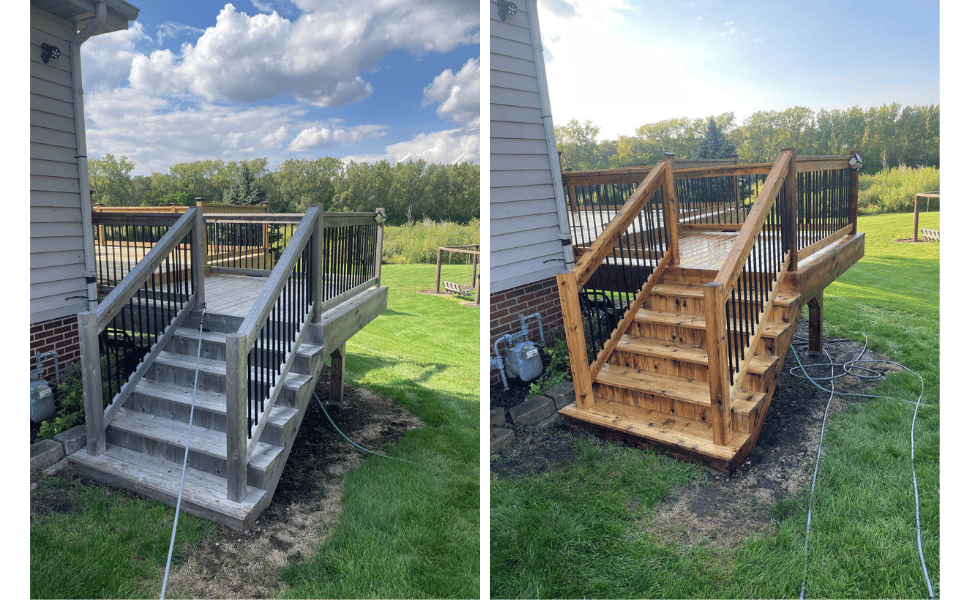
Ready to clean? First, clear the deck—move furniture, planters, and anything else, then sweep it spotless. Check for winter damage: tighten loose screws, hammer nails, and sand rough patches. Next, apply your deck cleaner—spread it evenly and let it sit 10-15 minutes if mildew’s a problem. Scrub with a stiff brush along the wood grain to lift dirt and stains without scratching. If you’re using a pressure washer, set it to 1,500 PSI max, hold it 8-12 inches away, and sweep in smooth passes to avoid gouging. Rinse each section with a hose, working top to bottom. Let the deck dry fully—24-48 hours, depending on weather—then inspect for missed spots. Finish with a sealant or stain, applied with a roller or brush, to shield it from summer sun and rain. Test a small area first. Your deck will be good as new!
- Tips for Removing Grime, Mildew, and Weathered Spots
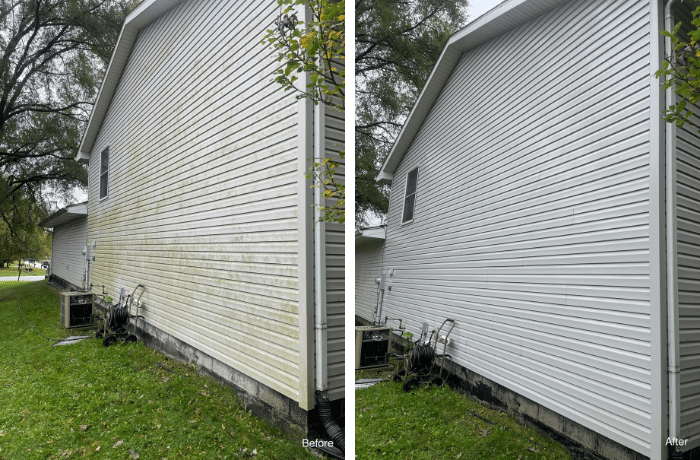
Winter leaves behind grime, mildew, and weathered wood, but these tips make them disappear. For grime, mix warm water with dish soap and scrub with a brush—focus on high-traffic areas. Tight spots like corners or railings? Use a toothbrush or small tool to dig out dirt. Mildew needs a stronger fix: spray a 1:3 vinegar-water mix, let it soak 15-20 minutes, then scrub and rinse. For tougher patches, oxygen bleach cleaners work without harming wood or plants—apply, wait, and wash off. Weathered spots—those faded, gray areas—call for sanding after cleaning. Use medium-grit sandpaper to smooth them, then wipe clean. A wood brightener can restore color before sealing. Always test products on a hidden spot to ensure the look you want. These simple tricks erase winter’s damage, leaving your deck fresh and welcoming.
- When to Hire a Professional for Deck Cleaning
DIY deck cleaning is great, but some jobs are best left to pros. If winter left deep cracks, warped boards, or signs of rot, a professional can fix it right—structural issues are no joke. Large decks or ones with stairs and railings might take too much time or effort alone. Pros bring industrial tools like high-powered washers and soft wash systems, plus expertise for perfect staining and sealing. If mildew’s dug deep or stains won’t budge, their specialized cleaners get results you can’t match with store-bought stuff. Safety’s another perk—they handle ladders and chemicals without risk. Expect to pay $200-$500, depending on size and damage—get quotes from licensed, insured pros with good reviews. Start DIY, but if you hit a wall, don’t hesitate to call in help. It’s about getting a deck you’ll love all summer. Click here for a professional quote.
Why clean my deck in spring?
It removes winter damage like mildew and grime, prepping it for summer use.
How do I get rid of mildew safely?
Use vinegar or oxygen bleach—both are effective and gentle on decks.
Should I seal my deck every year?
Seal every 1-2 years if it’s worn; otherwise, just clean annually.
When is a professional cleaner worth it?
For big damage, tricky stains, or if you lack time—pros save hassle.
FAQs About Spring Deck Cleaning